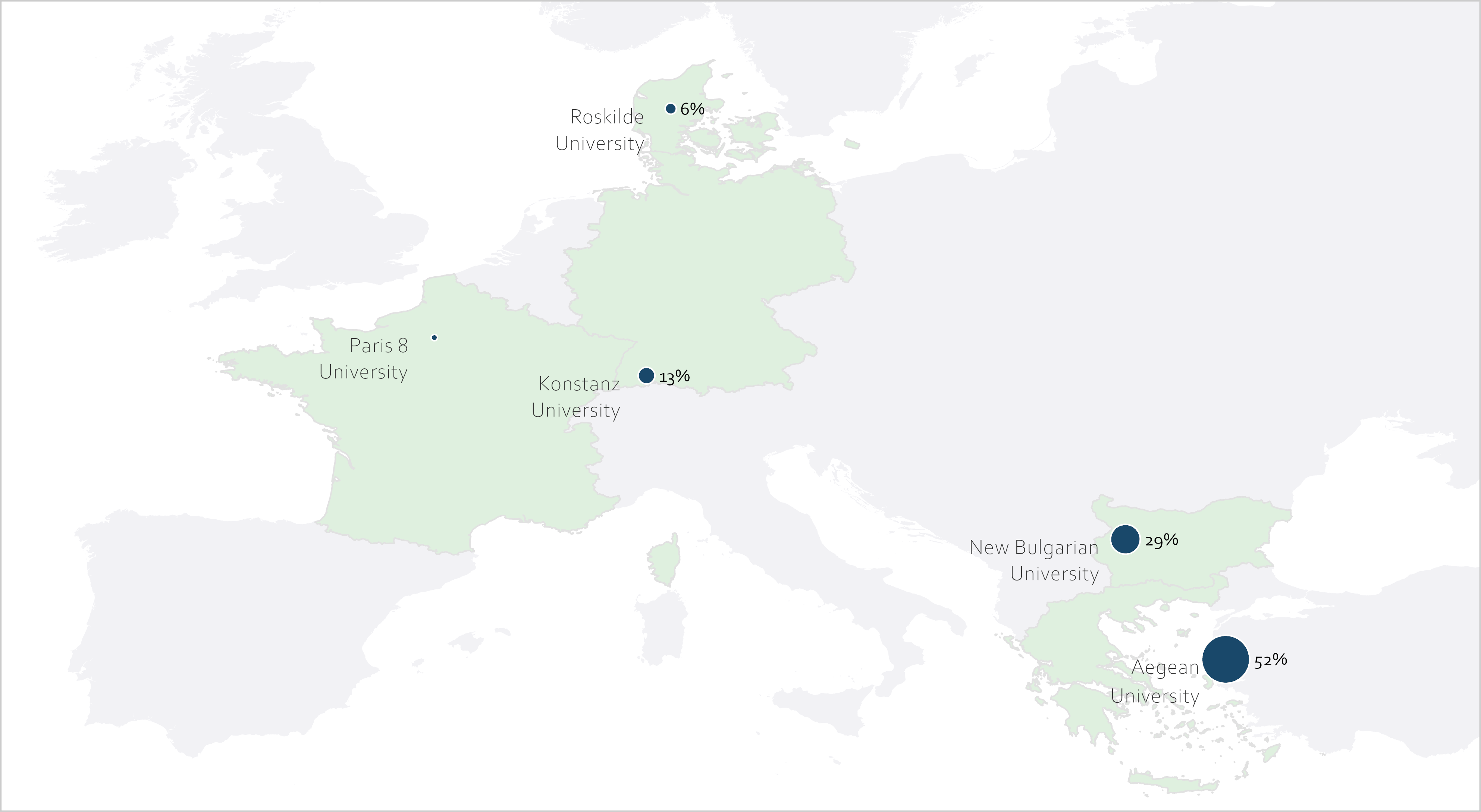
SDG1: No Poverty

A more general visualization of Universities’ scores in SDGs is organized under the metaphorical “wedding cake” structure of SDGs, comprising categories such as:
Biosphere → Environmental approach (SDG6, SDG13, SDG14, SDG15)
Society → Social approach (SDG1, SDG2, SDG3, SDG4, SDG5, SDG7, SDG11, SDG16)
Economy → Economical approach (SDG8, SDG9, SDG10, SDG12)
Partnerships → Institutional and Collaborative approach (SDG17)
The four clusters represent ERUA Universities’ varying levels of importance and influence. This rationale emphasizes the need for a holistic approach to address the SDGs, considering their interlinkages and the impact one goal’s achievement might have on another.
Loading map data…
Loading map data…
Loading map data…
Loading map data…
Loading map data…
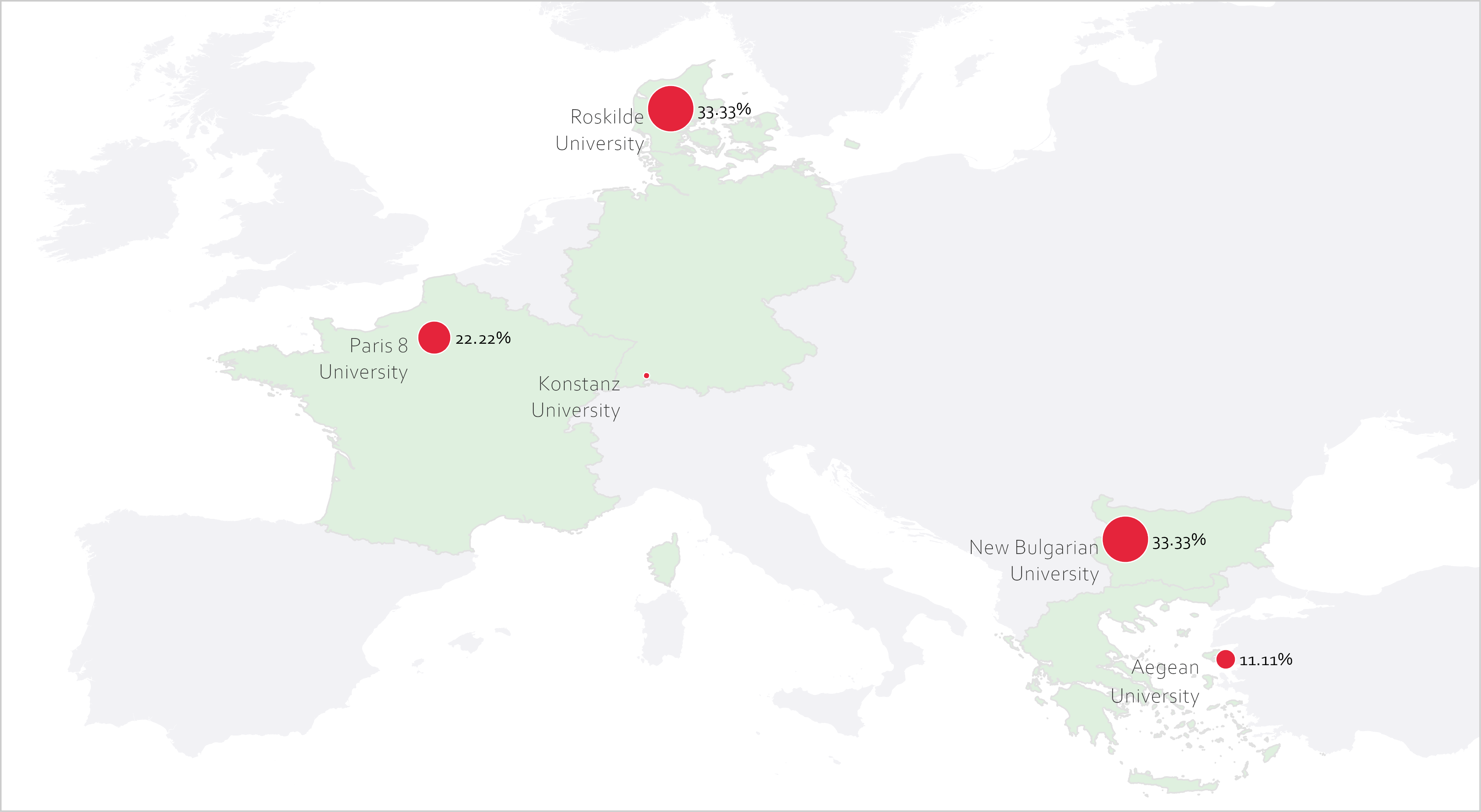
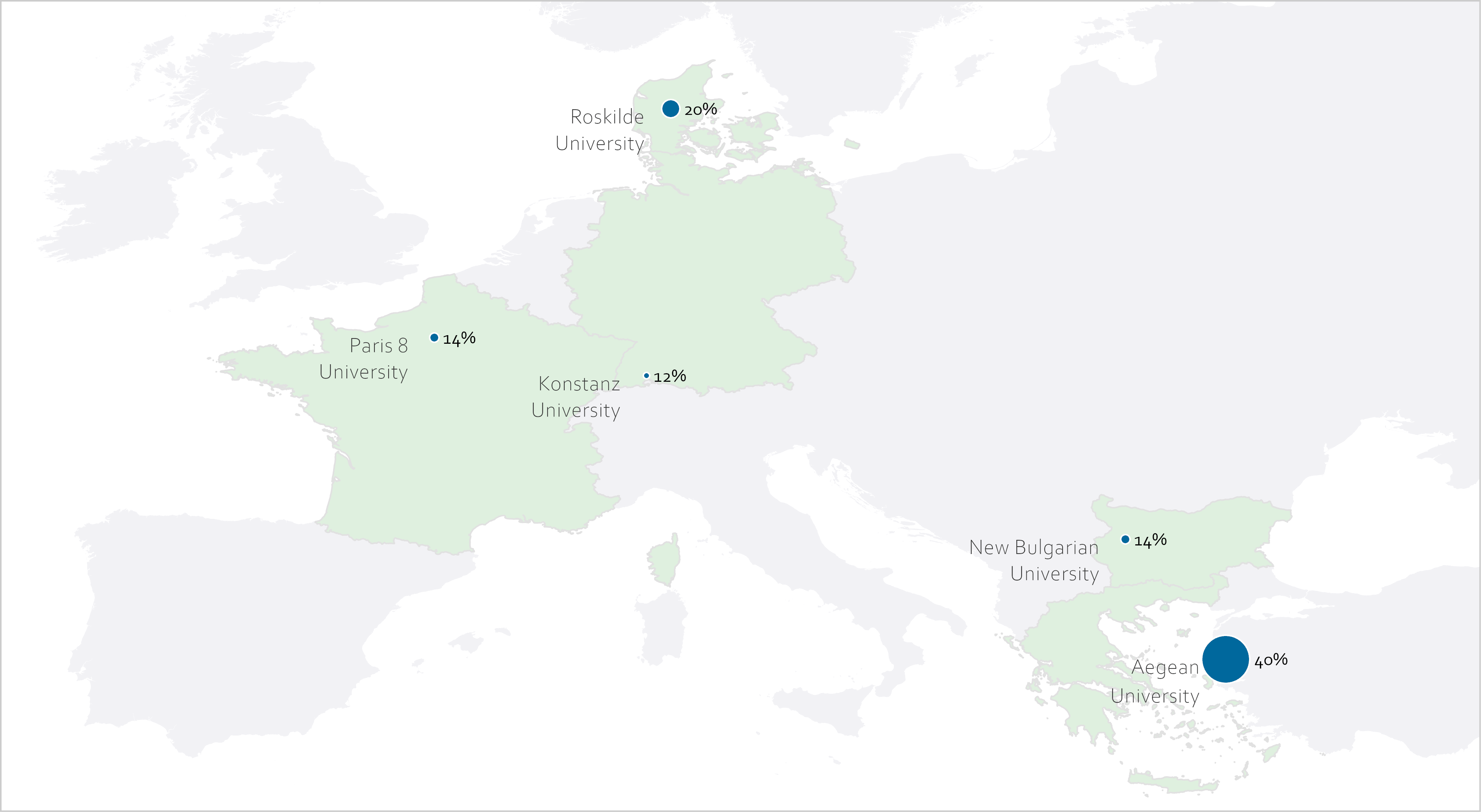
The maps below illustrate ERUA Universities’ courses scores in the 17 SDGs. For each one SDG, the percentages of scores are portrayed presenting ERUA Universities’ dynamic in Sustainable Development Goals.
SDG1: No Poverty
SDG2: Zero Hunger
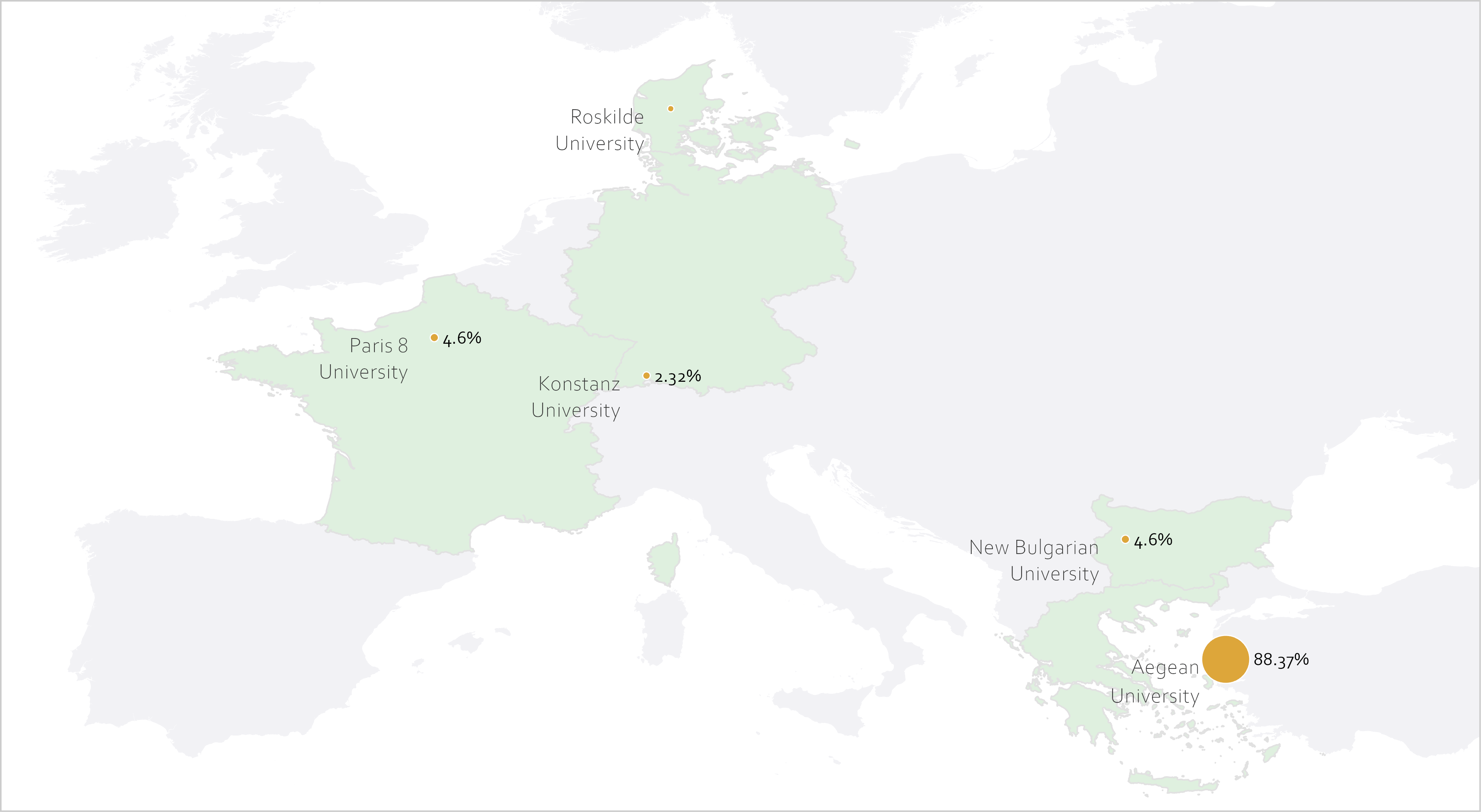
SDG3: Good Health and Well-being
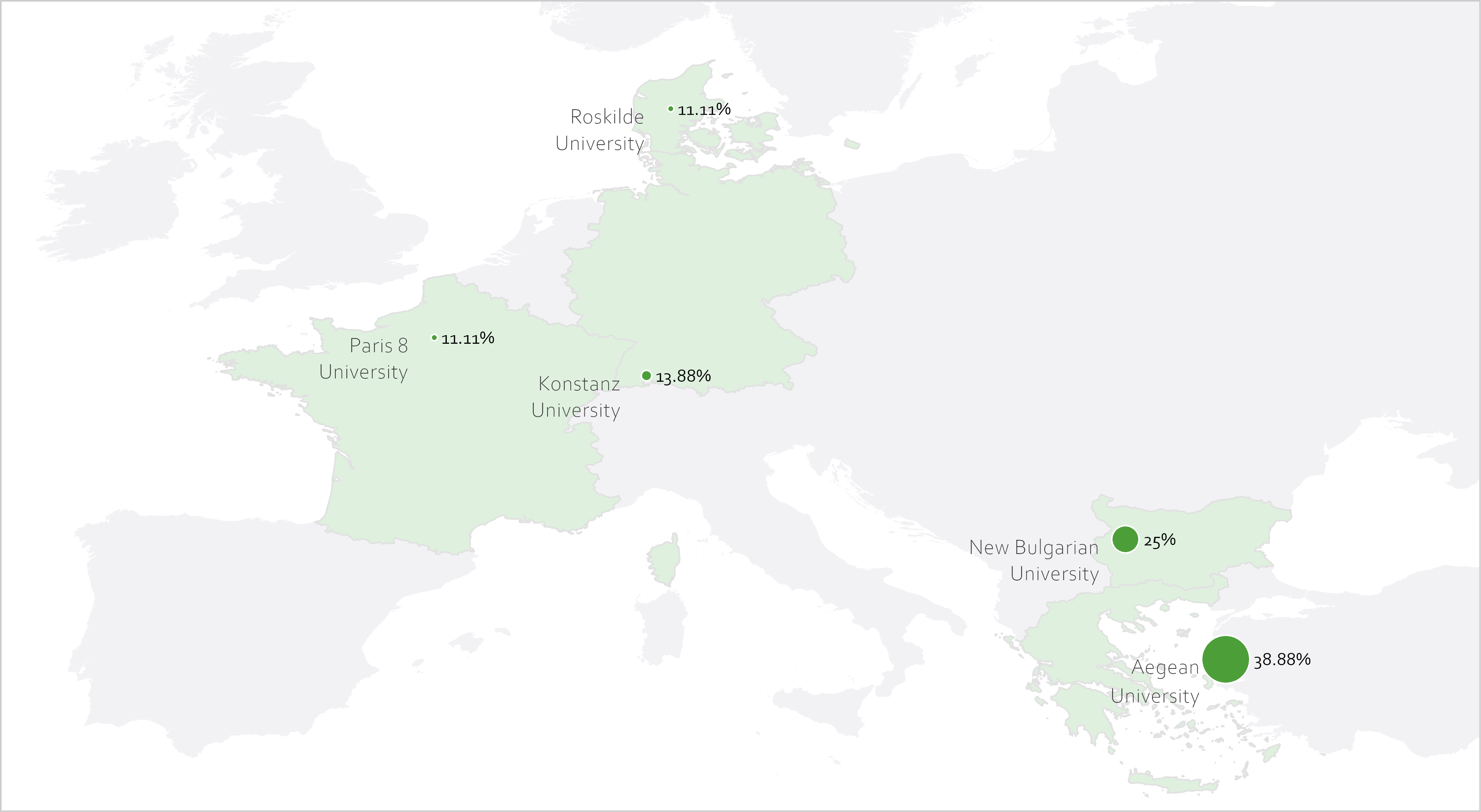
SDG4: Quality Education
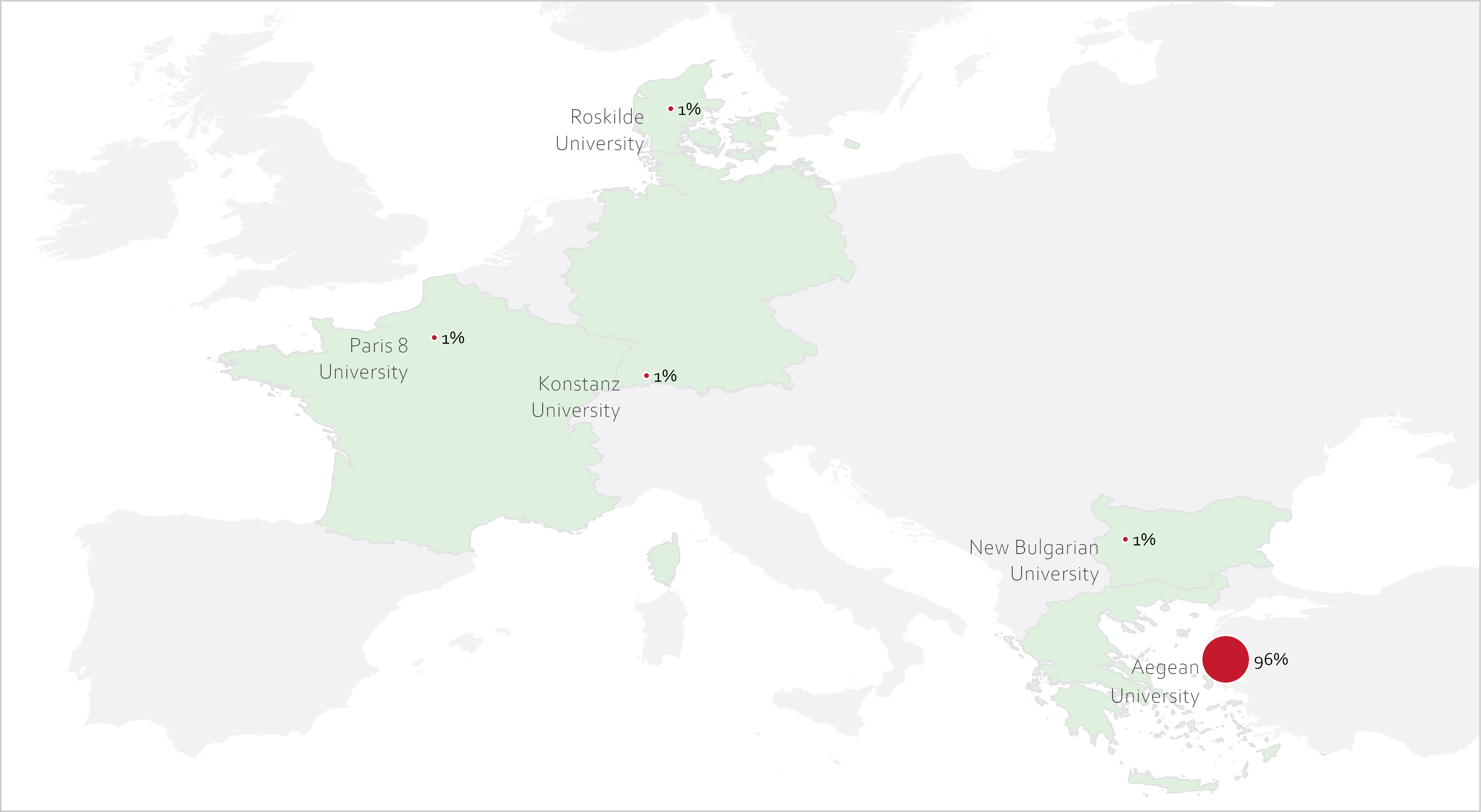
SDG5: Gender Equality
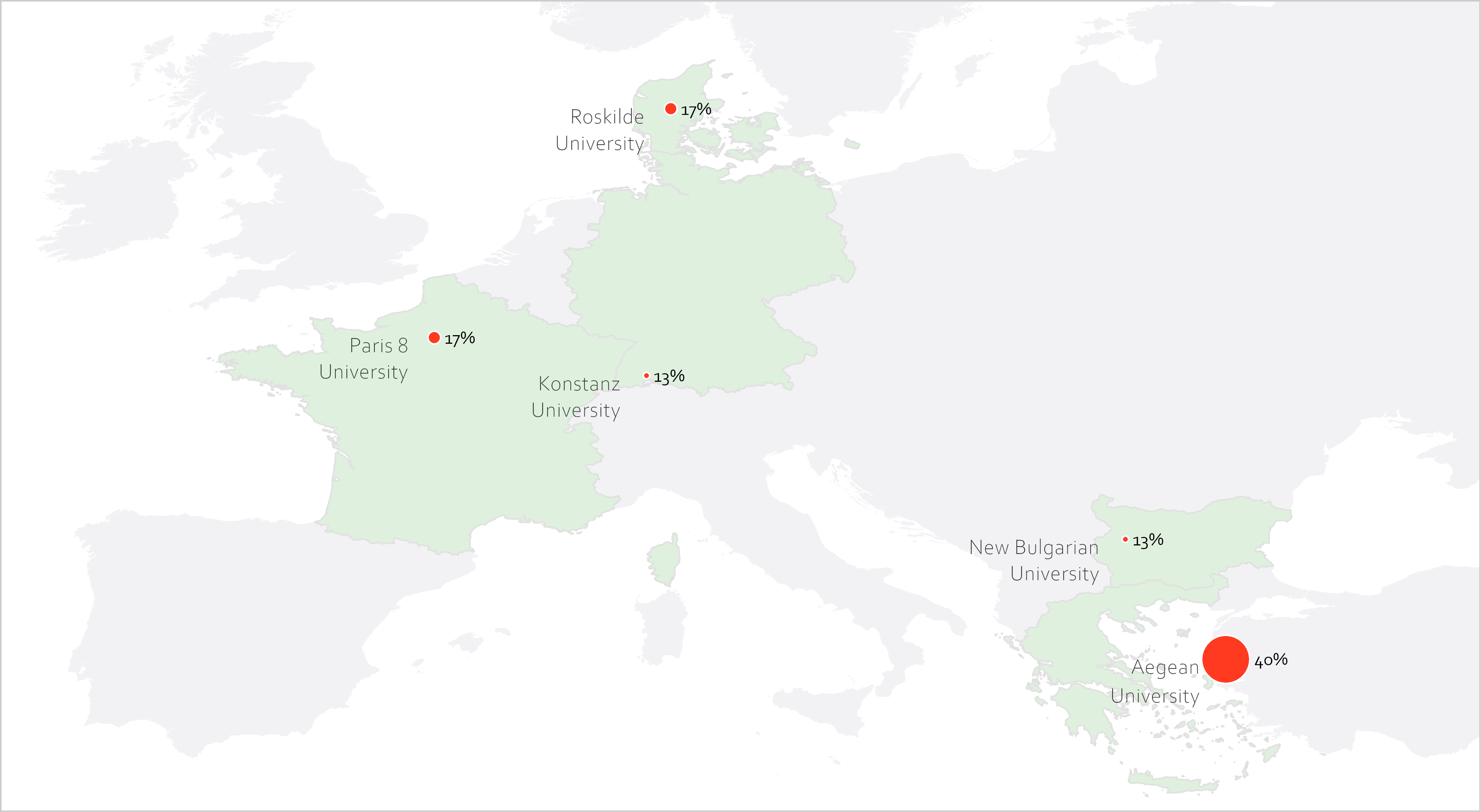
SDG6: Clean Water and Sanitation
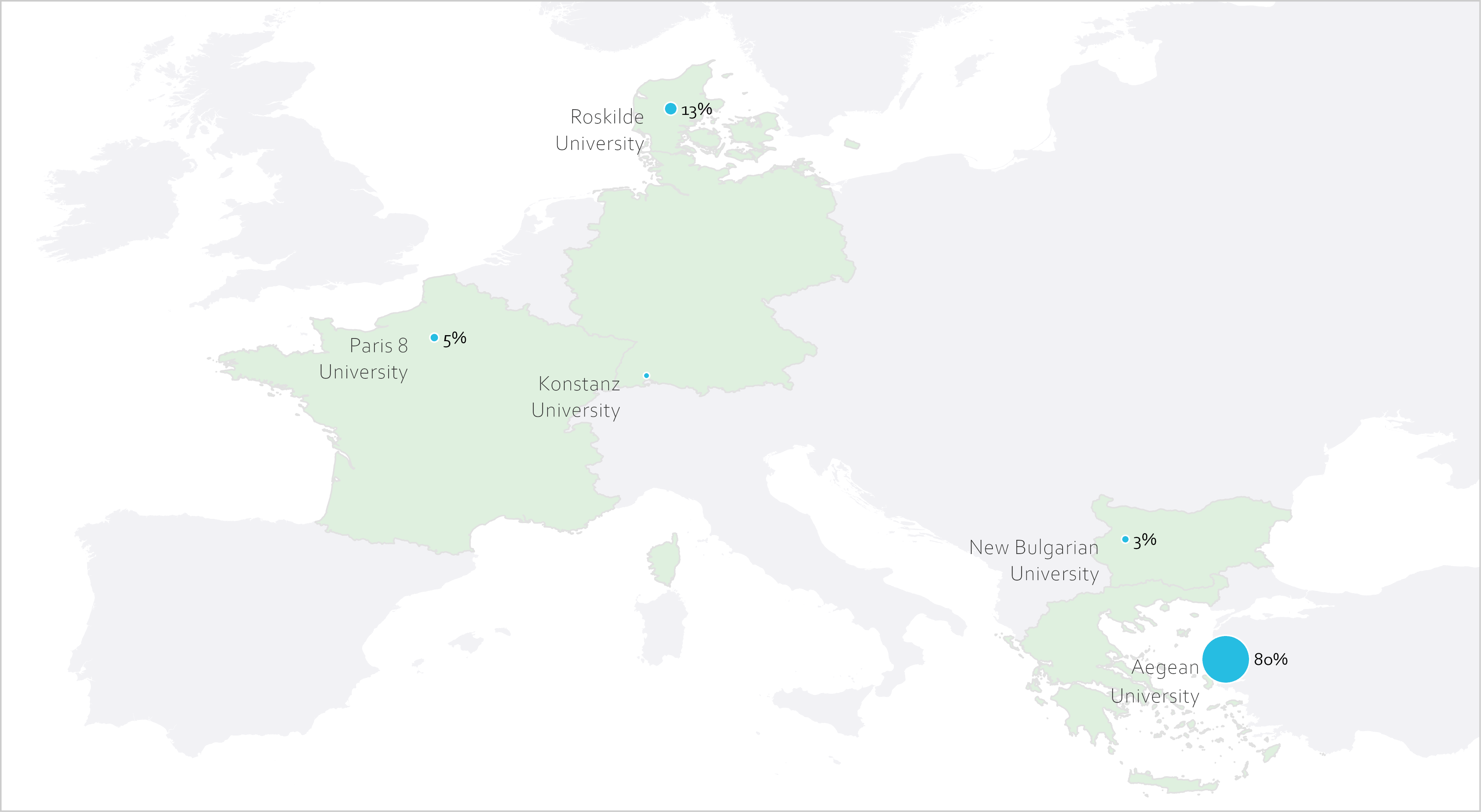
SDG7: Affordable and Clean Energy
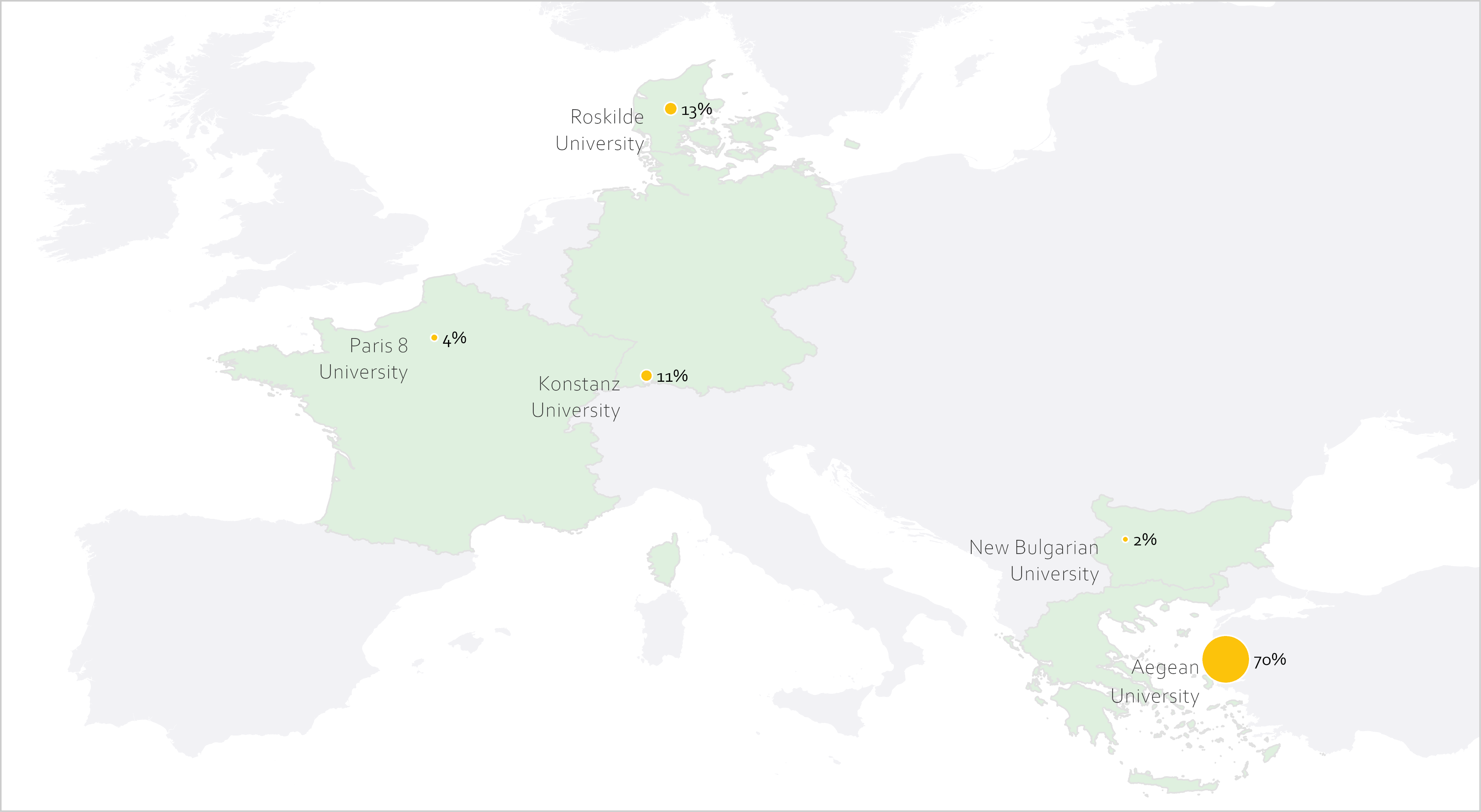
SDG8: Decent Work and Economic Growth
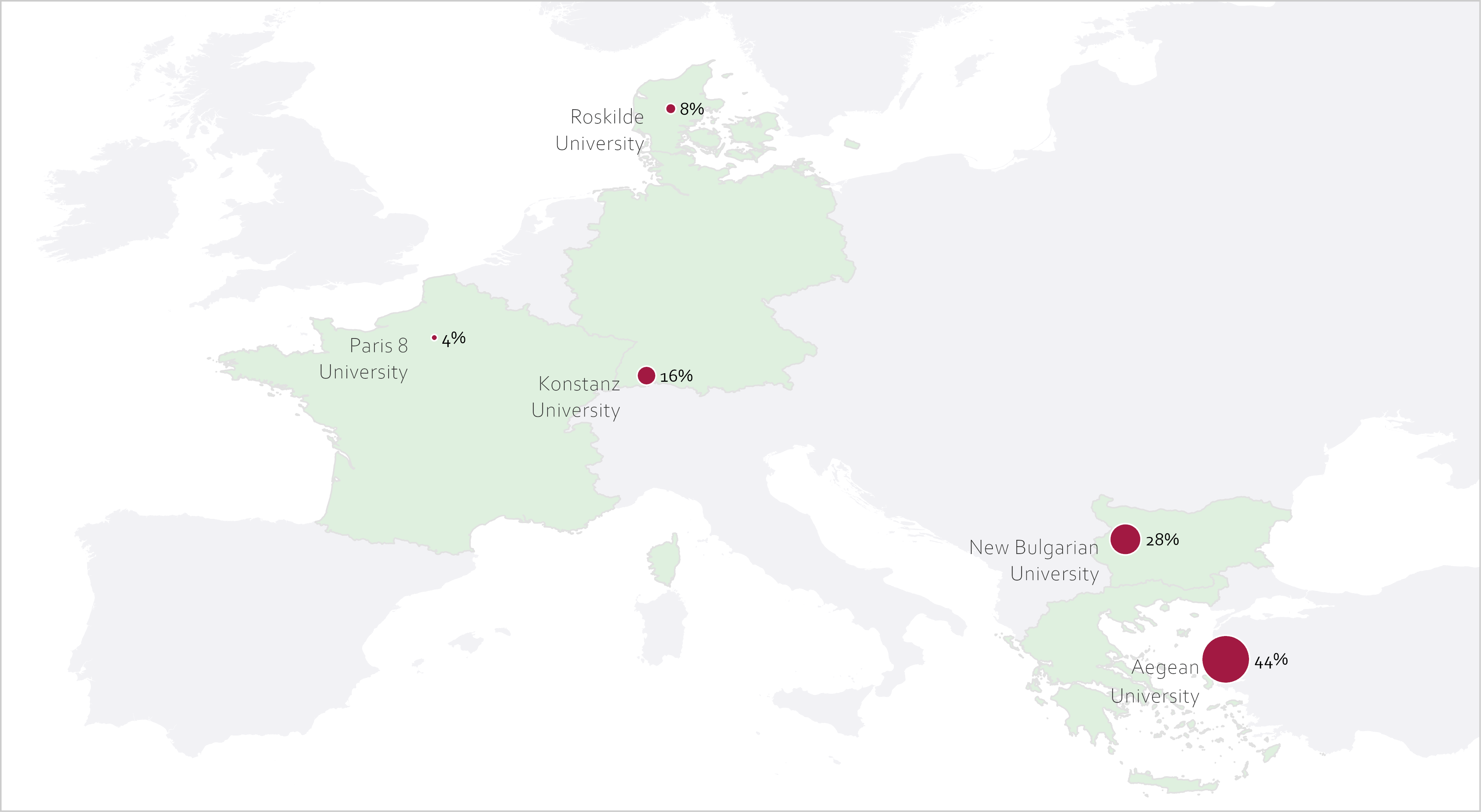
SDG9: Industry, Innovation and Infrastructure
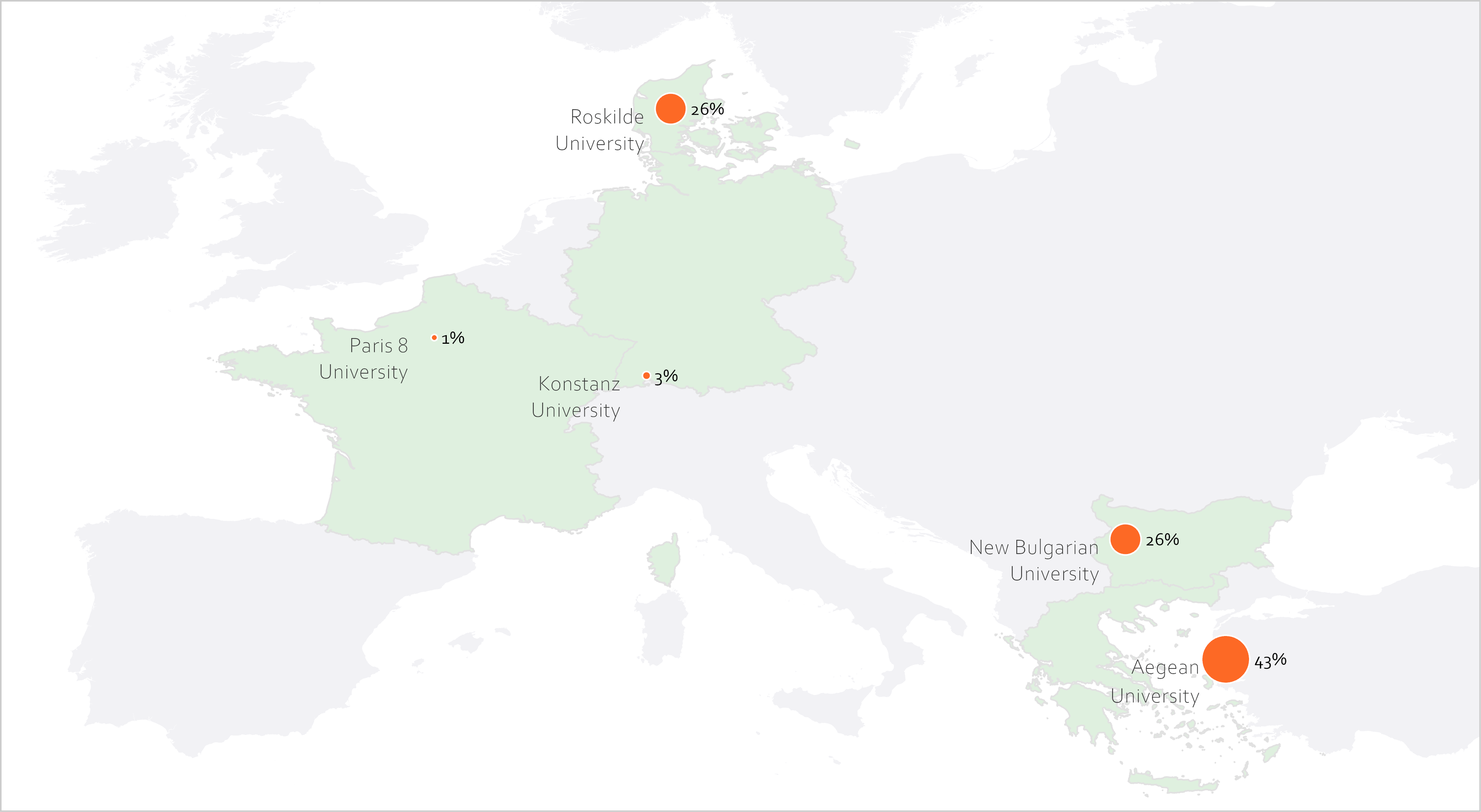
Industry, Innovation and Infrastructure
Image Box text
SDG10: Reduced Inequality
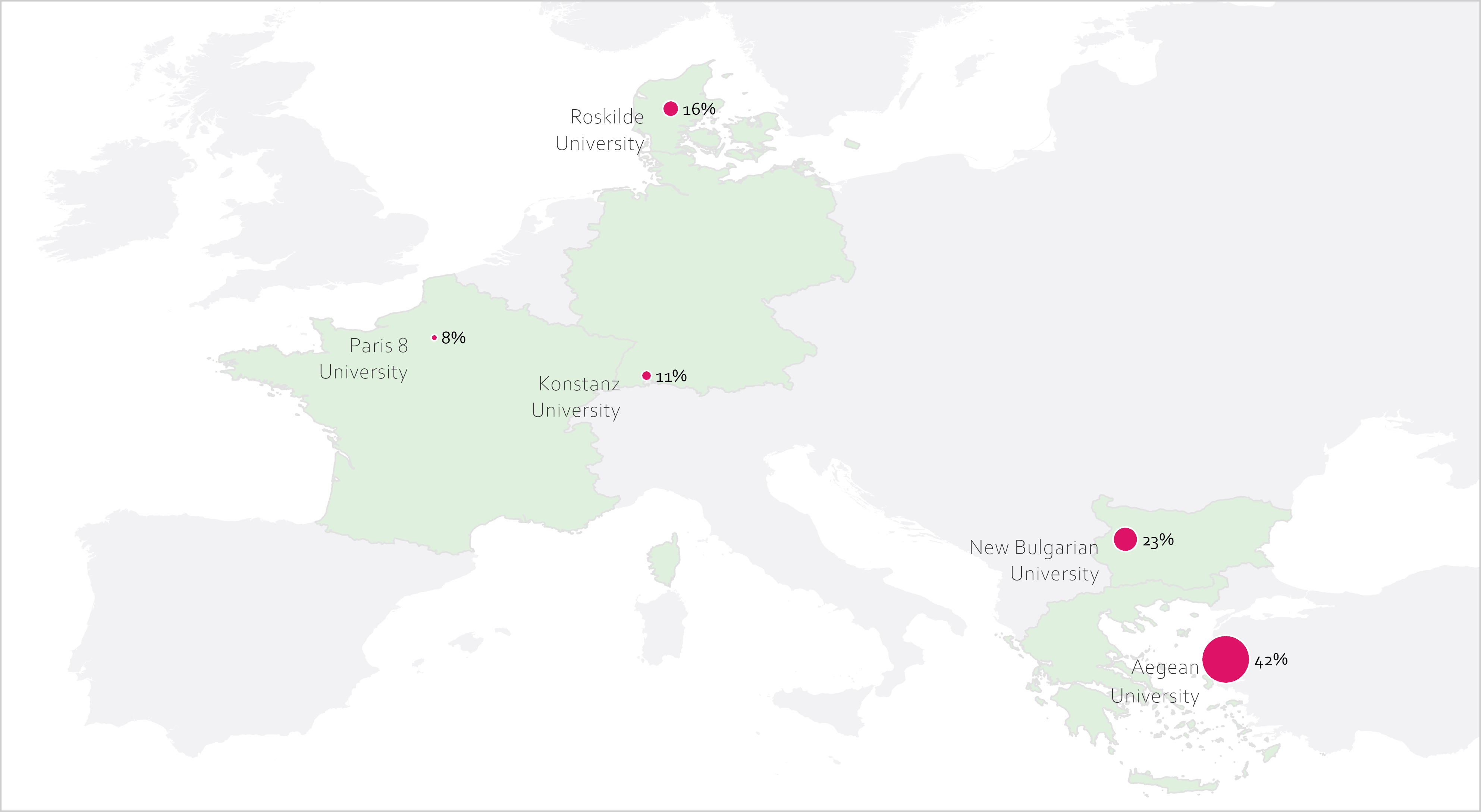
SDG11: Sustainable Cities and Communities
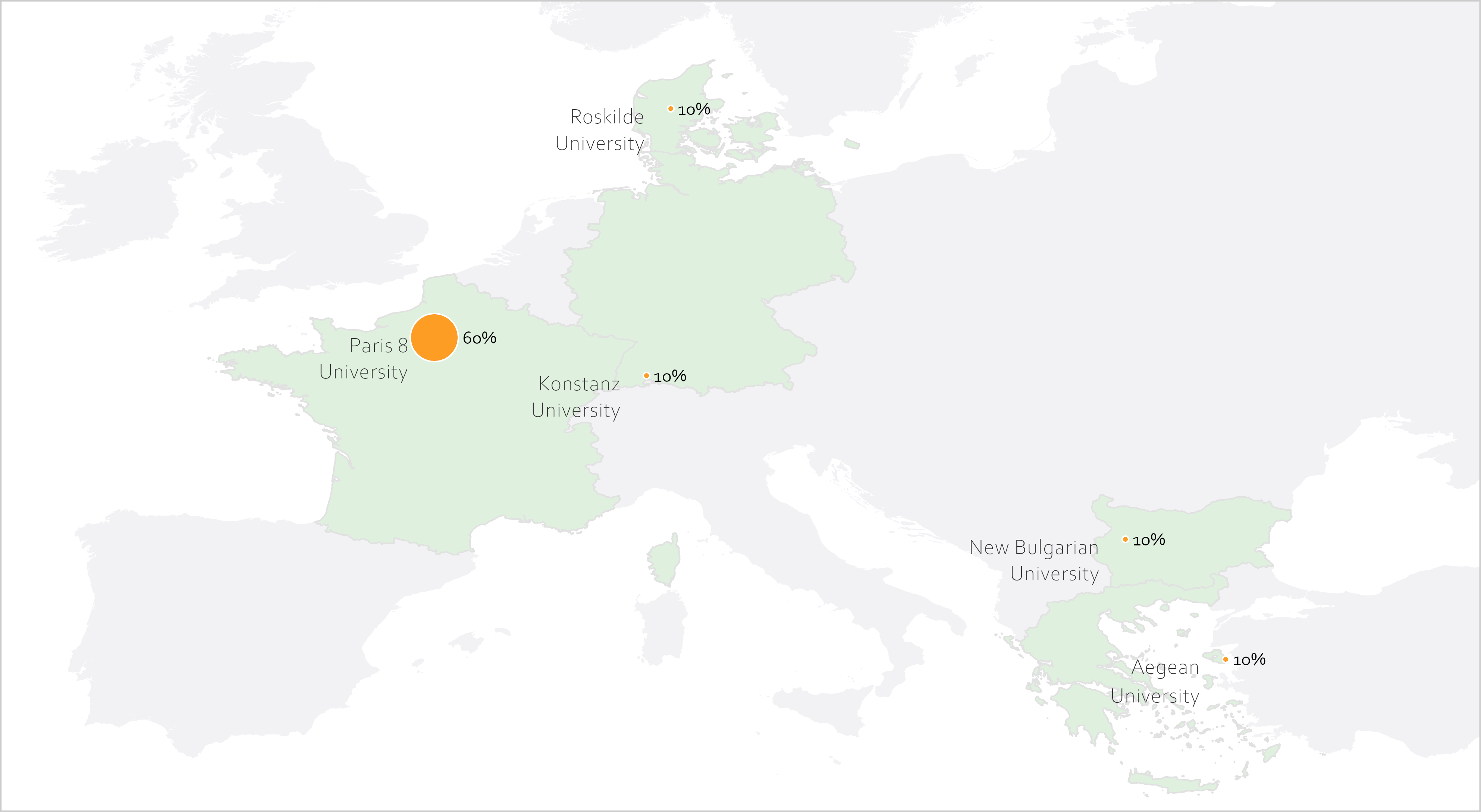
SDG12: Responsible Consumption and Production
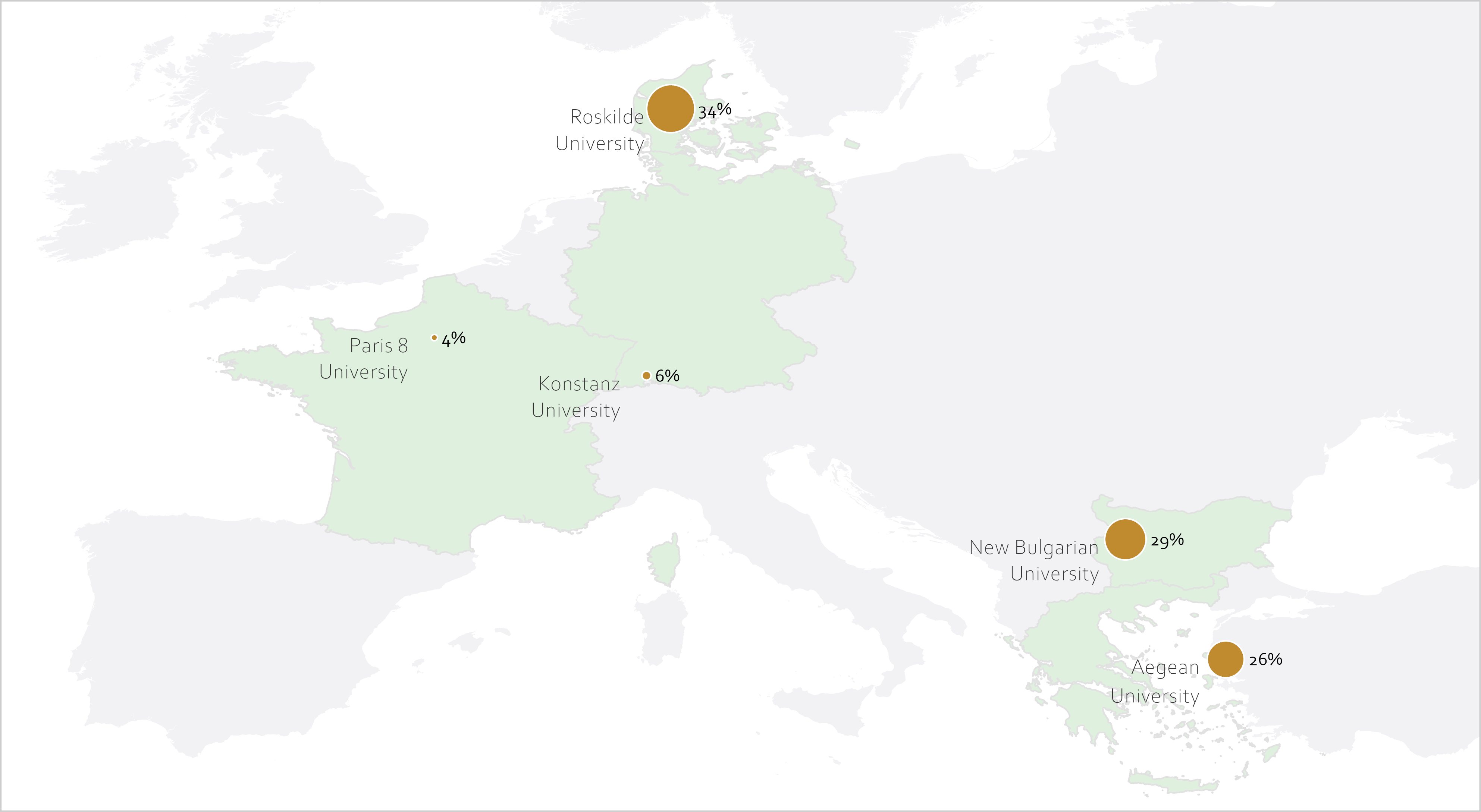
SDG13: Climate Action
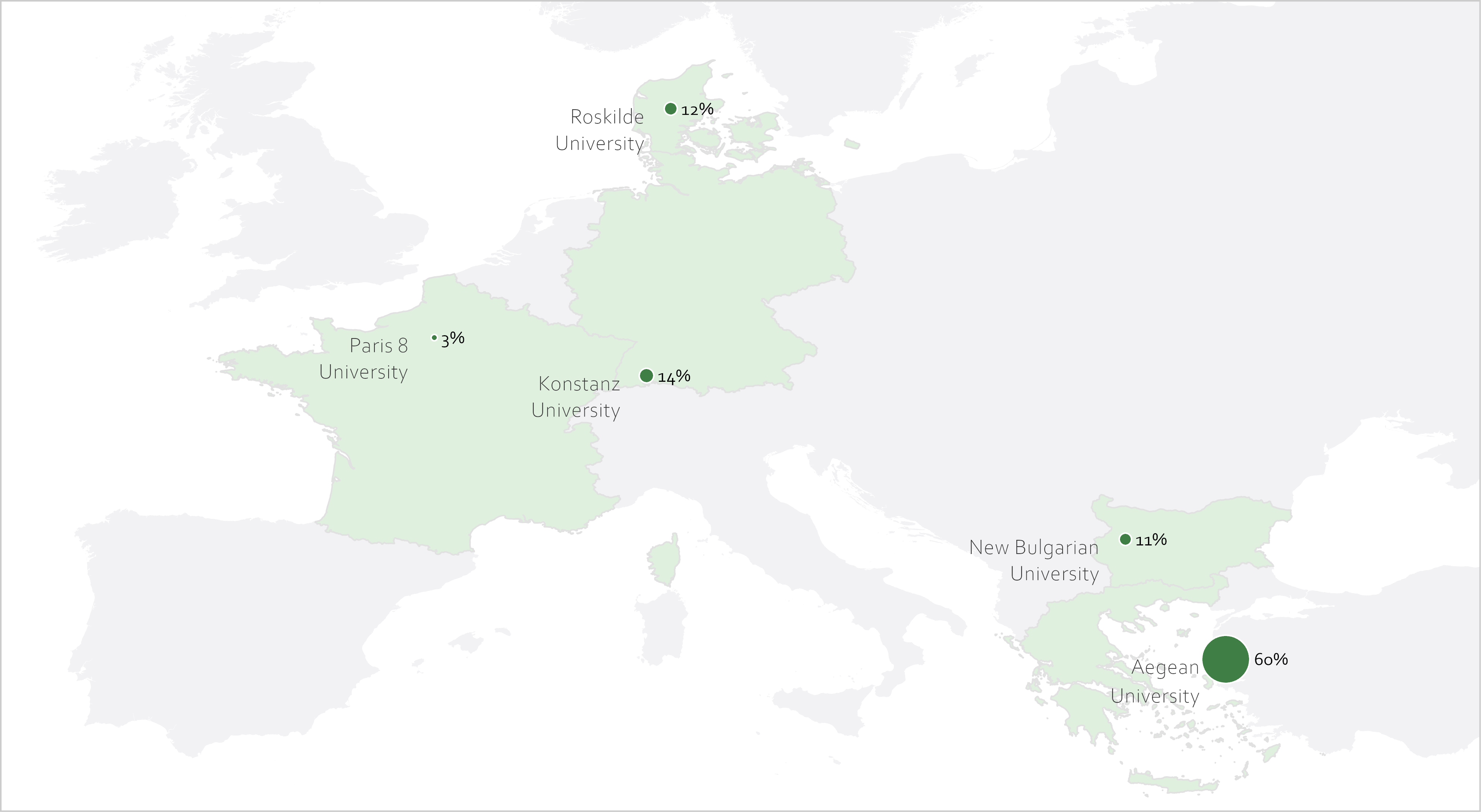
SDG14: Life Below Water
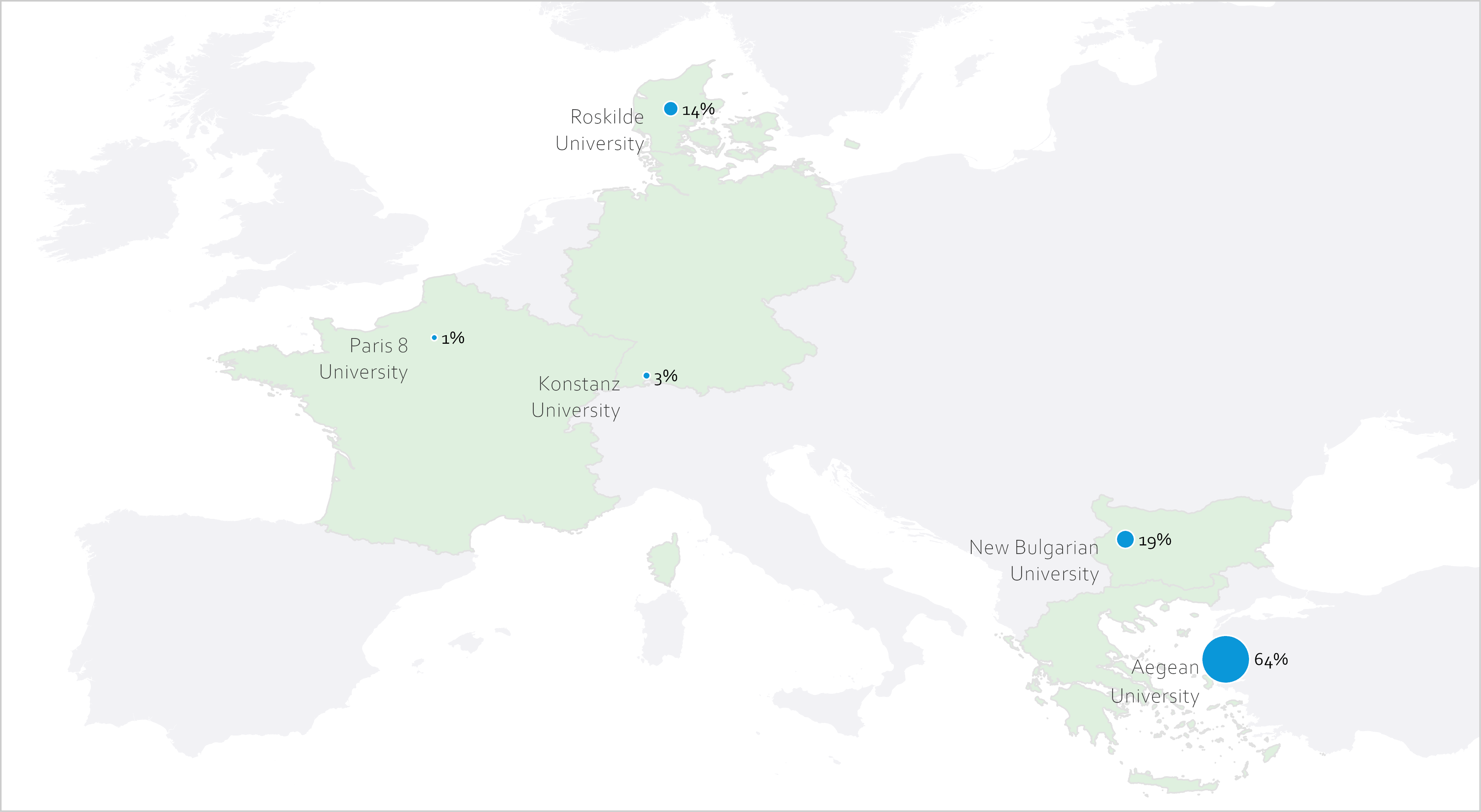
SDG15: Life on Land
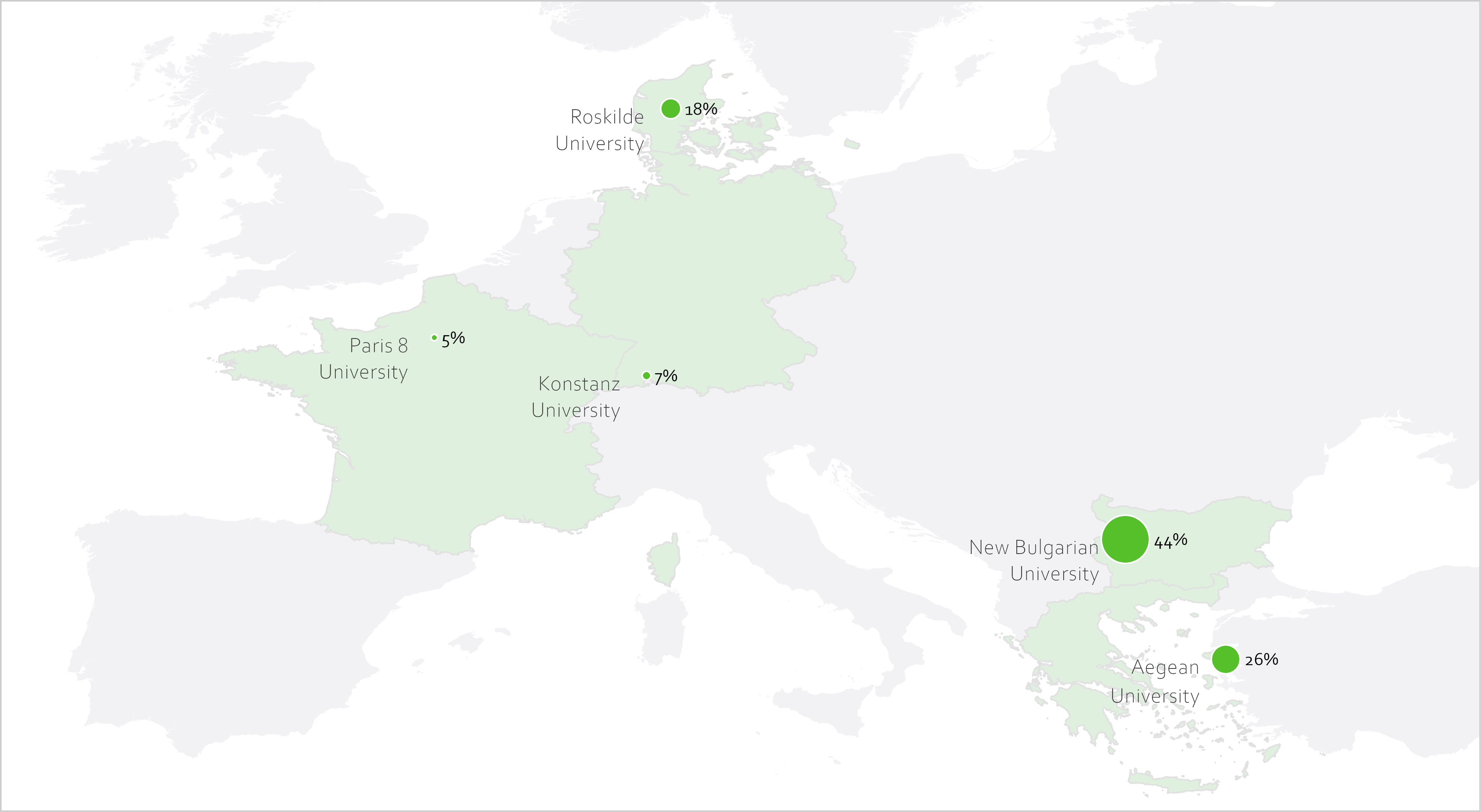
SDG16: Peace and Justice Strong Institutions
SDG17: Partnerships for the Goals